

Branding is a complex yet necessary step in business development, and the brand design is what makes branding successful. This process altogether contains the major elements of brand marketing to convey its core mission, value, and purpose.
This process is not just about the logo or caption, but a whole brand identity depicted through the visual components, which gets ingrained in the customer’s consciousness.
If you are also inquisitive about it, then this detailed discussion will help you in understanding the branding design process, learning its elements, how to use it effectively, and what tools are used in it.
What is the Brand Design Process?
The brand design process is a systematic multi-step process to build a visual and memorable identity of a brand, radiating its mission, core values, and purpose. It is something like a problem-solving approach.
- Problem: Attract customers beyond great service or product delivery
- Solution: Utilize visually intriguing and appealing designs to create impressions.
This solution is what, in technical language, we call the brand design process, which is a type of marketing to stay more connected to the customer and consumers.
Here, the major misconception is that the brand design only denotes the logo. But it doesn’t.
The color, intact with the brand, the caption, and the design itself are a part of the brand design process.
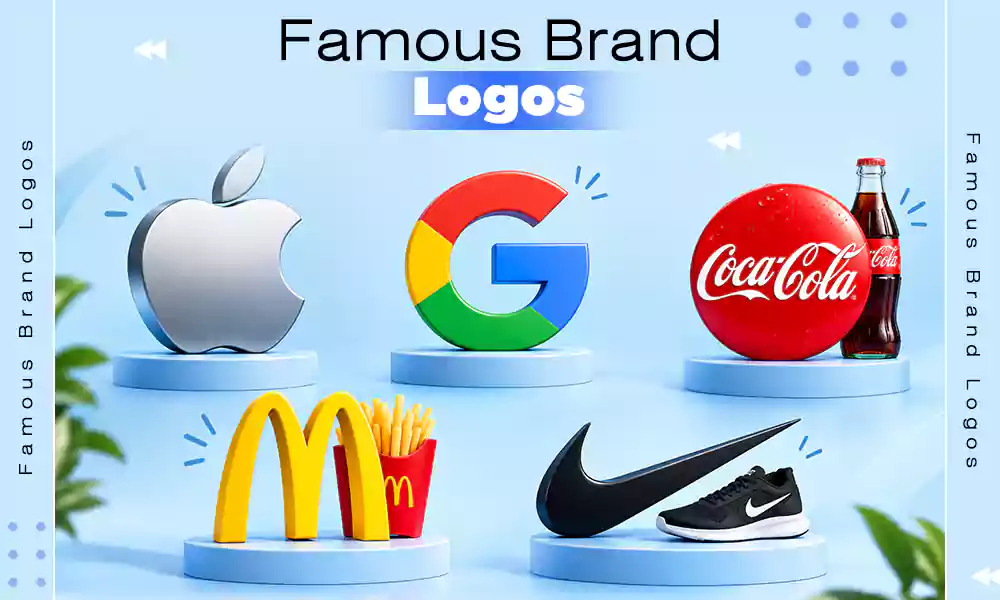
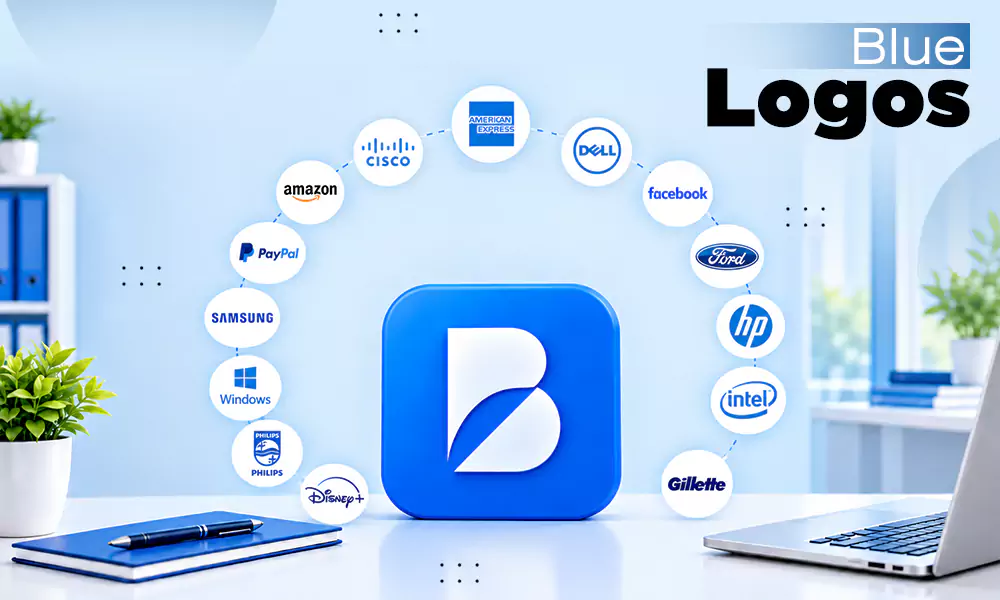
Now, recall your last visit to McDonald’s. You would have observed that the interior of the McDonald’s outlet is generally inspired by yellow or red colors, the same colors that appear on its logo and brand designing. The Facebook logo has blue and white colors, and so do its webpages.
What are the Steps in the Brand Design Process?
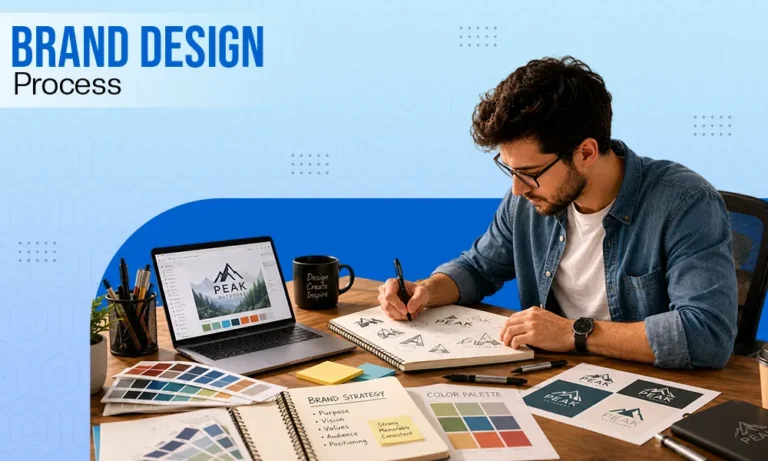
The steps in the brand design process include thorough market research, developing a strategy, designing, giving visual elements, taking clients’ feedback, and delivering the project.
Here is a brief of all these steps for better understanding.
- Understand the Mindset: Grasp the perspectives of the customers and the client alike. Here, the most important thing is what the users are searching for, who is already in the market, and how people are reacting to them. Get a more precise understanding by learning brand personality and deriving the key point of what can be conveyed through the design.
- Creating a Brand Strategy: Select the font, caption, inspiration, and brand ideas. This will take significant time to arrive at, but it is the foundation of the entire process. If you reach later stages of the brand designing process and then decide to change any of these elements, then it will consume much time to reflect the changes in the entire project, be it font, color palette, or anything else. Here you can set the timelines and delegate the task to your team.
- Logo Designing: A logo means a lot in the process. This small graphical element will be repeatedly seen by the customers. Make every pixel of it linked to your brand. I have split this step into 2 stages.
- Creative research: Includes style selection, testing different sizes, and choosing the right color.
- Artistic part: Giving visual finesse to it.
- Indulging Visual Components: Garnish the design with some corporate style while adhering to the concept-driven design. For example, if working on a car project, you can add a neon speed texture to the graphics to amplify its impact.
- Taking Client’s Feedback: After all the work is done, take your client’s feedback. The novice in the field generally gets more feedback and improvement suggestions. But veterans often close multiple projects at a time with full client satisfaction in one go. Try incorporating the client’s suggestions in the design process or even recommend something better you have in mind.
- Delivering the Final Output: You can go with a PDF file, a JPG picture, or logos. ESP and so on. That totally depends upon what the client wants and in which format. But make sure it is of the best quality and resolution.
After the final delivery, you can ask them for a testimonial to feature on your website or LinkedIn profile.
The ultimate aim of the entire process is to connect with the users or customers and leave a memorable impact.
Let’s understand it with a simple illustration.
Example of Brand Design Process
Suppose you have a client selling wheat bread and products. You ask them about what they want their brand design to be. They gave me some input about their expectations, which goes as follows:
- It must show the brand name.
- Should show a link to the farm.
- No special logo or graphical design like a bitten apple for the APPLE brand.
- Should be vibrant.
So here I considered the broader perspectives of the client, visited their website, learned about their business, and researched the user intent and market trends.
What you should always keep in mind is that the logo should be such that it conveys the brand essence in the most attractive way.
So here I will choose a light golden color inspired by wheat.
Clubbing all the factors, I made the following specimen, which the client liked and got satisfied with in one go.
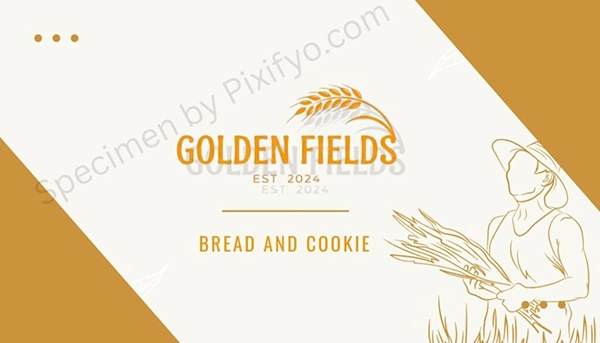
I have ample examples where just understanding the requirements and inferring the outcomes made me connect to what clients and the brand need.
Here, the golden rule for making a brand identity process template is: don’t make designs or captions too intricate and complex. Keep them simple, understandable, and most importantly, memorable.
Fun Fact: Twitter’s bird logo was taken from iStock images for just $15.
Now the major point comes, where can these designs be used to make the maximum impact on the customer?
Let me answer it.
What are the Components of the Brand Design Process?
The major components of the brand design process are color, logo, taglines, typography, illustrations, and iconography. These all cumulatively derive the true meaning of the brand identity, which gradually perpetuates and leaves a greater impression.
Here is a breakdown of its elements for better understanding.
- Colour: The color that keeps on appearing everywhere on the product or service, be it the merchandise, the logo, the website, or the outlets, must link your brand to the customer and elevate the possibility of being recognized. Like chocolate brands, use brown colors in different textures.
- Logo: A logo is a small design that says it all for the entire branding process. Have you noticed that the Red Bull logo actually features two charging bulls?
- Taglines: Nike says “Just Do It,” Apple says “Think Different,” and KFC reminds us of “It’s Finger Lickin’ Good” taste. When your tagline hits people differently, it settles in the subconscious mind. People immediately recall your brand when they hear, see, or read these lines.
- Typography: Typography is not just about the font but also about how the text is created and arranged to make the message more appealing and relatable.
- Illustration: You can also use a mascot, message, or any concept with your brand design that resembles your goods or services, like McDonald’s clown.
- Iconography: Icons are also a great part of brand design. Like the mosquitoes on mosquito spray and flowers on a room or car freshener, just make it more attractive.
How to Use Brand Design?
A brand design is used in visiting cards, product packages, banners, merchandise, vehicles, and correspondence documents. These areas help the brand reach more people and make space in the market.
Let’s understand them one by one.
- Visiting cards: You might have observed a visiting card having the same color, texture, logo, and even font as the brand has over its products or outlets.
- Billboards: Brand design also reflects on banners and billboards to make them more observable to more people.
- Merchandise: You might have seen some top brands distributing merchandise like shirts, caps, mugs, wall clocks, etc., and more. For example, Marvel gifts shirts with superhero designs to people before launching its films.
- Vehicle Branding: Have you seen the FedEx logo and brand name on the vehicles and even flights across the US? Next time you see that, make sure you observe the tail of the flight colored in dark blue, which aligns with the brand color.
- Correspondence: Letters, deal documents, and mail have the same typography and logos that are used for the branding process.
Now that you have understood how to make a brand identity process template, the next doubt you have would be what tools to use to conduct the brand design process.
What I have been using in my career of 20 years is mentioned in the next section.
What Tools are Used in the Brand Design Process?
Prominent tools in the brand design process are Adobe Creative Cloud, Canva, Pinterest, Dribble, Answer The Public, and Google Suite. Besides these, there are ample other options that, in one way or another, assist in the brand design process.
During my career, I have used many such tools, which I will be telling you about by segregating them into comprehensive categories.
- Research Tools: For research, use Google Trends and similar websites. However, “AnswerThePublic” is also a great tool to learn the intent of people’s searches.
- Inspiration Tools: Pinterest, Behance, and Dribbble are some top sources where I take a look at their samples to get some inspiration about the design, color, etc.
- Design Tools: For designing, Adobe Illustrator and Photoshop are the best tools available. However, you can also use Canva for this. Figma and CoralDRAW are also good, but you need to learn these tools separately, while Illustrator and Photoshop have similar commands and controls.
- Colour and Typography Tools: For colour selection, you can visit Adobe Colour or Colourhunt, and for typographic purposes, use Google Fonts and Adobe Fonts.
- Mockup Tools: Canva and Photoshop are the best tools available for mockups and delivering the design to the client. You can also take inspiration from smart mockups for this.
For the rest of the idea, the world is your learning book. Just think from a different perspective, and you will get the answer.
Eyeopener: Why do the tomato ketchup brands use red color, and why do eco-friendly and organic brands like Subway and Tropicana use green color?
Conclusion
In the end, I recommend that you start with whatever you have, use the tools, and derive what would have been the inspiration behind the brand design process for the top firms. This will be a kind of reverse engineering, but it will help you learn the process from level 1 and may also secure your seat in top MNCs.
FAQs
Q1: Is a logo the same thing as a brand?
No, a logo is just one part of a brand, which also includes the company’s personality, values, messaging, colors, and the experience people have when interacting with it.
Q2: How long does the brand design process usually take?
The time for the brand design process depends on the project, like a simple brand identity might take a few weeks, while a complete branding project can take a month or two.
Q3: What should be included in a brand design?
You should include logo usage, color codes, typography, image style, and basic communication guidelines in the brand designing.
Q4: When should a business consider rebranding?
Business may need a rebrand if its current look feels outdated or no longer reflects its goals. Rebranding can also make sense after a merger, expansion, or major change in products or services.
Sources: