

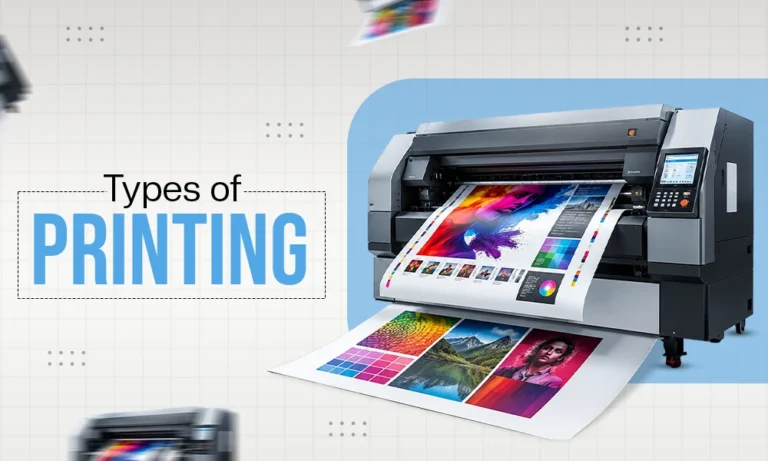
Most common forms of printing include offset, digital, screen, letterpress, gravure, flexography, and 3-D printing that meet different quantities of product, materials used, and budgets. Additionally, there are various printmaking techniques (relief, intaglio, and lithography) that represent an artistic approach to printing.
In this article, I will discuss the definition of printing and all of the major methods being utilized currently, common errors made when selecting a form of printing, and how artificial intelligence is entering the picture.
Quick Answer:
There are seven major methods of printing that include offset, digital, screen, letterpress, gravure, flexography, and 3D printing. Offset and gravure suit high-volume commercial jobs, and digital and screen printing work best for short runs and custom designs. While letterpress and flexography sit in between, they are prized for texture and packaging versatility.
What is the Meaning of Printing?
Printing is creating a copy of your artwork on a different medium, typically paper, fabric, plastic, or metal, by applying ink or toner from a printing plate, screen, or digital printer.
Definition: Printing is the process of reproducing a design or written content by placing dye/pigment on a carrier (plate/screen/digital file) that is then placed upon a medium such as paper, cloth, packaging, etc.
“Print” has many synonyms, including “impression,” “imprint,” “reproduction,” and “publication,” but within the printing industry, “printing” means the finished product of one of the above methods.
Every printing process falls somewhere along this continuum of two extremes:
- Plate-based printing (offset, letter press, gravure, flexo, and screen): A physical plate or screen that holds the image reproduces it over each print.
- Plateless printing (digital and 3D): An image is directly transferred from a digital file with no need for a physical plate.
This difference is the most important factor in determining price, turnaround time, and print quality when looking at each process on this list below.
Also Read: Basic Photo Editing Manual: 10 Techniques, 4 Tools, and 5 Tips Explained
What are the Different Types of Printing?
There are 7 different types of printing, which include offset, digital, screen, letterpress, gravure, flexography, and 3D printing. Each has its own functionality and suitability. So let’s get into these more deeply.
1. Offset Printing (Lithography)
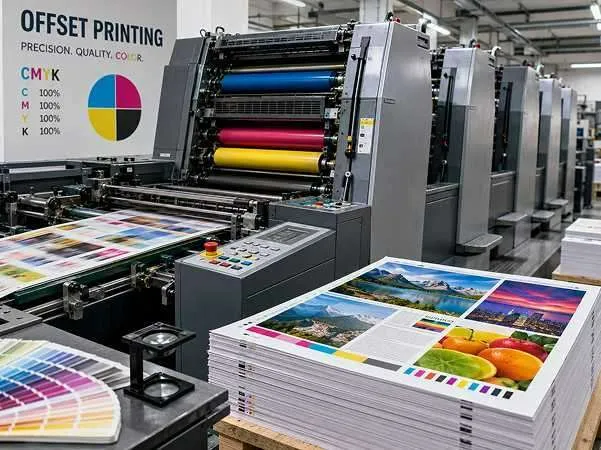
Offset printing prints by placing the ink from the plate onto the rubber “blanket” and then onto the sheet of paper. Never does the ink go straight from the plate to the paper.
How it works: The plate is treated so that image areas attract ink and non-image areas repel ink based on the fact that oil and water do not mix. The first stop for ink is the rubber blanket cylinder. After this, the ink transfers to the paper as you continue to move through the process.
Best for: Books, magazines, brochures, newspapers, or anywhere you need thousands of identical, high-quality copies.
Pro Tip: Offset printing has a higher setup cost due to the process of making plates, but it will become cost-effective when you reach run sizes of over 1,000.
2. Digital Printing
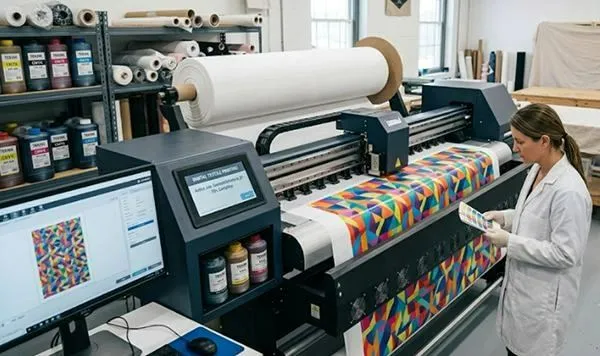
Digital printing sends your file right to an inkjet or laser printer. There is no plate involved in this process at all.
How it works: Inkjet printers shoot small amounts of ink onto the substrate by propelling tiny ink drops. Laser and toner printers melt powdered toner into place using heat. Each one is capable of producing a different print job without having to pay extra setup costs.
Best for: Print jobs that have short run quantities (i.e., business cards, wedding invitations with names printed on each invitation) and print-on-demand books.
3. Screen Printing
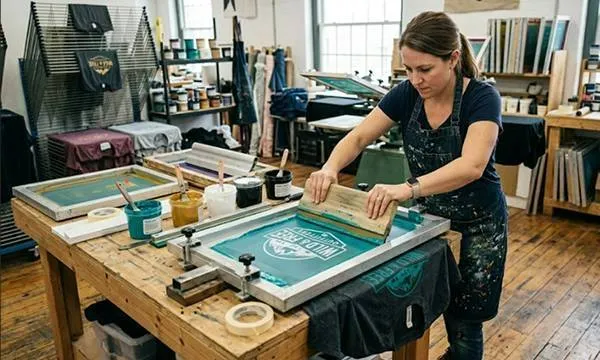
Screen printing uses ink to push ink through a fine-mesh screen by using a stencil to block the parts you don’t want printed.
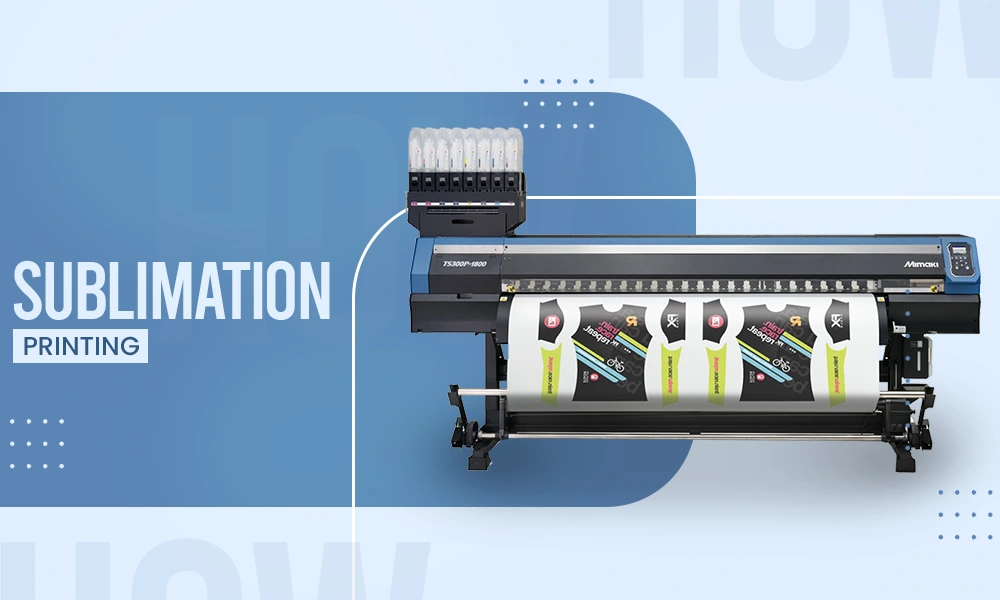
How it works: Every color needs its own screen print pass. Since screen-printing ink sits thicker than most other methods, that’s why screen-printed shirts have a slightly raised texture.
Best for: T-shirts, tote bags, different poster sizes, and any job where bold, vibrant color matters more than fine detail.
4. Letterpress Printing
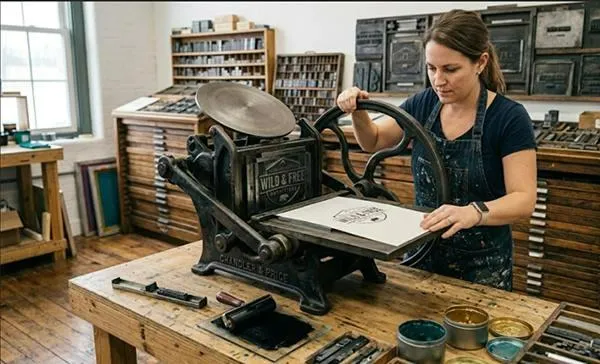
Letterpress is the oldest printing process around. It was developed from Gutenberg’s 15th-century idea but has been perfected for over 500 years!
How it works: Raised type or plates get inked and pressed directly into paper, often leaving a slight debossing impression of the raised area.
Best for: Wedding invitations, greeting cards & business cards where premium hand-crafting is more important than speed or cost.
5. Gravure Printing
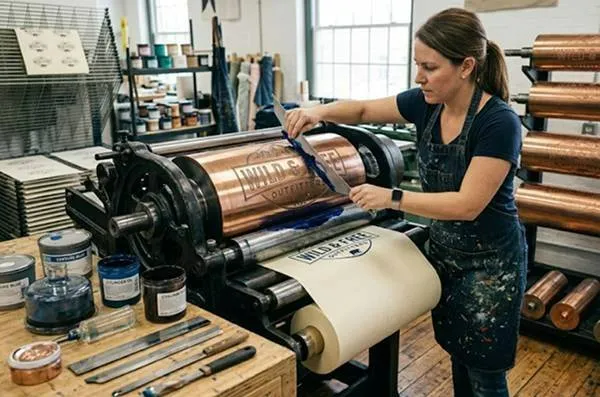
Instead of creating raised letters in a plate (as with letterpress), gravure creates an engraved design in a metal cylinder.
How it works: Tiny recessed cells are carved into a copper cylinder; each cell will hold the ink. The excess ink will be wiped from the surface by a doctor blade, thus only leaving the ink inside the recesses that will be transferred to the paper as it moves past the cylinder.
Best for: Catalogs, magazines, wallpaper, or any job where you need millions of consistent and high-quality prints.
6. Flexography
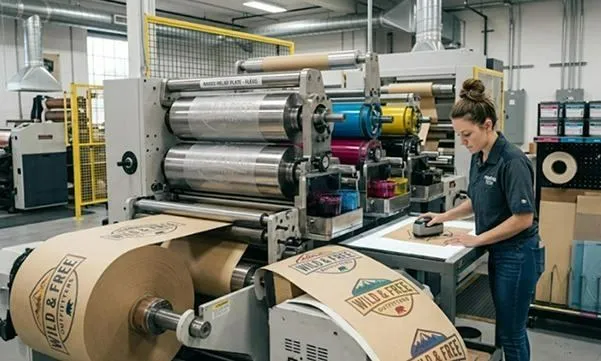
Flexography, commonly referred to as “flexo,” is a contemporary version of letterpress using flexible rubber or photopolymer plates rather than rigid metal type.
How it works: These flexible plates are wrapped around a cylinder and print directly to the substrate (which is why flexo can be printed on non-flat surfaces such as stretchable films and foils).
Best for: Labels, packaging, plastic bags, and cardboard boxes, wherever the surface being printed cannot be consistently flat.
7. 3D Printing
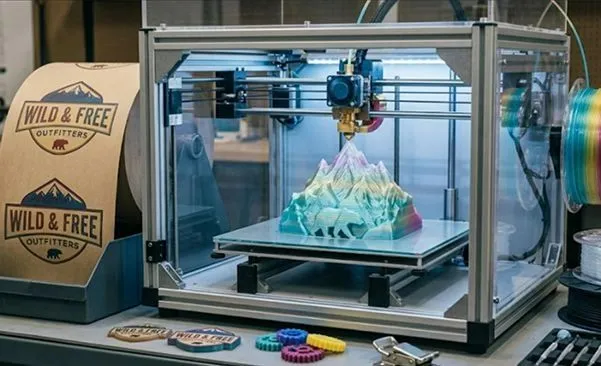
Unlike traditional printing methods (ink on paper), three-dimensional printing builds an object physically from a digital model, layer upon layer.
How it works: A printer places material (usually plastic filament, resin, or powder) in very thin layers at a time to create the complete object from a digital design.
Best for: prototypes, custom components, architectural models, and limited production runs.
Types of Printmaking
Printmaking is a fine art process that is related to commercial printing. Printmaking consists of four primary families of processes:
Important: Don’t get confused. Printmaking is an art form that produces one-of-a-kind prints, usually created in small quantities. Commercial printing is the output of files to create large quantities.
- Relief printing: This process creates raised images (woodcuts and linocuts), which produce a similar aesthetic effect as letterpress printing.
- Intaglio: It uses recessed areas on a metal plate (etching, engraving), producing a similar effect to gravure.
- Planographic: This allows both image and non-image areas to have the same flat surface area. Examples include lithography.
- Stencil: In this process, ink flows through the stencil-cut holes onto the surface below. Screen printing and monotype are two types of this printing method.
Also Read: What is the Brand Design Process? Learn with Examples And Suggestions
Comparing Printing Methods
Here’s how the major printing methods stack up when you put them side by side.
| Method | Best Run Size | Typical Materials | Standout Strength |
| Offset | High volume (1,000+) | Paper, cardstock | Sharp detail, low cost per unit at scale |
| Digital | Low volume, custom | Paper, cardstock, vinyl | No setup cost, variable data per copy |
| Screen | Medium volume | Fabric, plastic, glass | Bold, opaque color |
| Letterpress | Low volume | Cotton paper, card stock | Tactile, premium finish |
| Gravure | Very high volume | Coated paper, film | Consistency at massive scale |
| Flexography | Medium–high volume | Plastic, foil, cardboard | Prints on flexible, uneven surfaces |
| 3D Printing | Single units, prototypes | Plastic, resin, and metal powder | Builds physical objects, not flat images |
Common Mistakes When Choosing a Printing Method
Most of the time, choosing an incorrect printing process will cost you in terms of time, money, or quality. Oftentimes, it’s all three.
The most common mistake made when selecting a printing process is to use offset or gravure for small print runs (fewer than 500). Although both processes are expensive in terms of “plates” they create, it will generally be less costly to print digitally.
- Ignoring the substrate: Different types of paper will work with different printing processes. Flexographic printing has been used to print packaging that includes curves, bends, and stretched surfaces. It will never compare to offset printing.
- Overlooking finish expectations: A customer who requests the feel of letterpress cannot be satisfied by the look of a digital-printed product, regardless of how crisp the image may appear. So, choose after careful analysis of the requests.
- Skipping a proof: With gravure and offset printing, it can take thousands of prints before a color match issue becomes apparent. It’s very important to ask for proof at least once prior to large-scale production.
Also Read: What is User Interface Design? Types, Difference, Design Process, and More
Can AI Help With Printing?
Yes, we are seeing AI used currently in printing primarily with respect to pre-press (design), color correction, and print-on-demand workflows. However, AI cannot make the decision on physical press settings, such as ink viscosity or the way plates are set.
Did You Know?
Many of today’s print-on-demand providers are using AI to automatically generate design versions and also to upscale low-resolution image data prior to sending those images to the printer.
Where AI can help you:
- Design generation: Mock-ups, pattern designs, layout draft
- Image upscaling: Preparing low-resolution image files for large-format printing
- Color and file checks: Detecting resolution or bleed errors prior to starting a print run
Where AI has a long way to go:
- AI cannot adjust/calibrate an actual printer and therefore will have limited ability to determine what type of ink viscosity is needed to achieve a good-quality print on a specific media surface.
- AI does not understand “feel” when it comes to determining how a printing process, i.e., letterpress or screen printing, will affect the visual texture of your artwork.
- Even if you can create print-ready artwork from AI-generated design ideas, there is typically going to be at least one other step where a human designer makes the final adjustments.
Conclusion
Every printing process is different in terms of volume, cost, materials used, and quality, so there isn’t a “better” way to print. Usually, the correct method will become apparent based on the size of your print and the type of paper or other substrate that you are using once you have established this.
If you are still undecided as to which printing method best suits your project, then you may want to get an estimate from a professional printer prior to making a large quantity.
Also Read: What are Social Media Graphics? Working, Principles, and Tips
FAQs
Q1: What are the different types of printing?
Offset, screen (also known as silk-screen), letterpress, gravure, digital, flexography, and 3D printing are the primary types of printing available. Each type of printing is best suited to either high volumes of production, various materials being printed, or low budgets.
Q2: What type of printing is most common?
The most popular form of commercial printing is offset lithography. This process accounts for the largest percentage of commercially produced items such as newspapers, magazines, and books.
Q3: How does printing differ from printmaking?
Commercial printing typically refers to mass reproduction methods. Printmaking is an artistic technique that involves creating original works by use of reliefs, intaglios, planographics, stencils, etc., with each piece being part of a limited edition.
Sources:
- Lithography Topic Hub: Printing Process Overview by University of Illinois Library Guides