When looking at a product photo online, customers can not physically touch, view or test a product before purchasing. However, they can see a more in-depth visual idea of the product and its use with ecommerce photography. High-quality product photos can also reinforce a brand’s image and serve as web content, marketplace images, social media, and ads.
Ecommerce photography can come in various styles: white background products, lifestyle shots, flat lays, model photography, and creative campaigns. In this guide, you’ll discover the most common e-commerce photography styles, their importance, and more. So, let’s get started!
What is Ecommerce Photography?

Ecommerce photography involves taking professional photos that showcase products and ecommerce brands for selling and marketing online. It includes simple listing product images and lifestyle, advertising, branding, and other images.
Online shoppers rely on photos to get an understanding of a product, compared to shopping in a physical store. Images must convey information about its size, shape, appearance, texture, packaging, and its intended use.
Ecommerce photography can roughly be split into two categories:
- Product photography: Pictures that are taken to advertise and describe the product.
- Lifestyle photography: These pictures are taken to convey the brand identity and story.
A robust ecommerce image library will include both of these. Product photos are a great way to get clarity; lifestyle and branded images give context and personality.
Importance of Ecommerce Photography
Product images are crucial in ecommerce photography because they enable customers to make a decision on whether to buy an item or not. Photographs must be able to answer as many visual questions as you can, as shoppers can’t physically interact with the product.
Professional photography can assist e-commerce companies:
- Present products accurately
- Build customer confidence
- Maintain uniformity of user experience across the site.
- Demonstrate the product’s attributes and information.
- Support marketplace listings.
- Create social media and advertising materials.
- Assist customers in appreciating product dimensions and use.
- Develop a brand that is identifiable.
- Reduce product returns due to mistaken views of expectations.
Images that are clear and informative are crucial, as customers may compare a number of different products before deciding on the one to buy. Different useful angles of the product, close-up images, and contextual images can be helpful in providing consumers with a better understanding of the product they are purchasing.
This photography provides a brand with a visual library that can be used over and over again. Images can be used across different marketing channels such as product pages, homepage banners, social posts, paid ads, email campaigns, brochures, and more.
Types of Ecommerce Photography
There are various styles of photography that have been created to serve various purposes, and many brands employ a number of formats simultaneously.
White Background

One of the most famous types of ecommerce product photography is the white background one. It sets the product off against a neutral background to enable customers to see the product without distractions.
This style is ideal for a typical product listing page or online marketplace. It works best for a uniform product catalogue.
Here’s the reason why it is great:
- Consistency: Products have similar looks throughout a site or catalogue.
- Product Emphasis: There is not a competing emphasis on the product.
- Neutral Background: It is easier to consistently represent product colors with a neutral background.
- Flexibility: The image can be used in various applications, such as websites, social media, catalogs, and more.
- Less Complex Production: A controlled background will minimize the complexity of the shoot and post-production.
Plain background shots might also be beneficial for ecommerce vendors because of marketplace requirements.
Lifestyle Photography

These images feature a product in the context of a real-world or desired setting. It is not about displaying the product; it’s about helping customers visualize how it can fit into their lives.
The simple idea is to create images that complement the brand’s aesthetic and style. For example, a coffee mug could be featured on a breakfast table with a book and a pastry.
These images work best for:
- Social media
- Advertising
- Website banners
- Brand campaigns
- Editorial content
What should be done is to give context and to establish an emotional link with the audience.
Model Photography
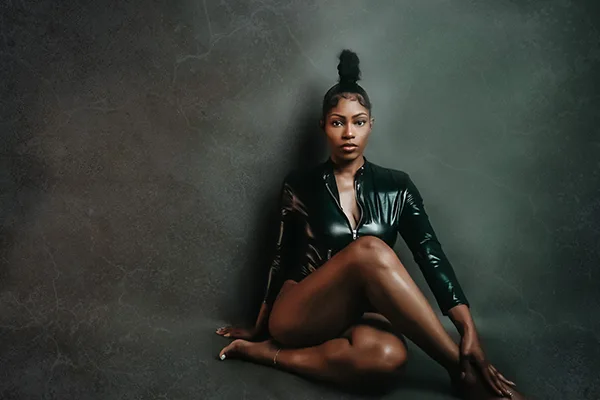
For fashion, beauty, accessories, fitness, and lifestyle products, models can be very beneficial. A model is a representation that is scaled and helps to show how an object looks when worn or used.
With regard to clothes, model photos can show:
- Fit and proportion
- How a garment falls
- Styling possibilities
- Product scale
- Alternative style and usage
The model should also be able to reflect the visual identity and target audience of the brand.
Still Life and Tabletop Photography

Still life photography primarily includes products and objects arranged into a composition that is visually interesting. Props can be used to establish the material, function, or personality of a product.
Tabletop photography is a very practical form that is used when producing pictures of smaller items like food and beverage, accessories, cosmetics, electronics, and more. This allows you to shoot good pictures in a relatively compact setup with control over arrangement, concept, and lighting.
Room Set Photography

It is a type of product photography that involves capturing images of a product within a fully realized room or living space. Works best for furniture, home decor items, appliances, and other products where customers can see the product in a realistic setting. It can give a visual example of how a product can fit into a large space.
360 Degree Product Photography
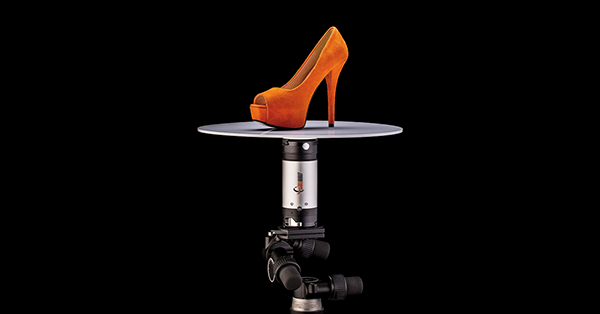
A 360-degree product image offers multiple perspectives of the product to enable a customer to view it from more angles than just a front view photo.
This can be accomplished by taking picture after picture of a product that is placed on a turntable and merging them into a flipping sequence or video. Useful in cases of shape, construction, or various sides that are critical in the purchasing decisions for some products.
CGI and 3D Product Images

Product visualisation can be achieved using CGI and 3D modeling, eliminating the need for a traditional photoshoot to create a realistic image. This may come in handy for products that are hard to photograph or for products not manufactured yet.
The textures, reflections, light, shadows, proportions, and product features must be similar to the actual object; otherwise, there is a chance of customers expecting things that aren’t being delivered.
Check Out: Design Brief: What Is It, Examples, Template, and How to Create a Design Brief
How to Choose a Right Background for Ecommerce Photography?
The background should enhance the function of the product and not detract from it.
If clarity, consistency, and accurate product presentation are the priorities, then a white or neutral background is best. It is ideal for normal e-commerce listings. Here are a few steps to choose the right background:
- Select White or Neutral Color Background for Focus: White, beige, and light gray are good options for backgrounds. They are effective for regular ecommerce posts, particularly those for electronics, cosmetics, home appliances, and clothes.
- Background Should be Used for Visual Impact: Bold and contrasting colors can convey a brand’s message and personality. This method works well for fashion labels, beauty trends, lifestyle products, and more.
- Textured Background for Natural Feel: Textures like wood, linen, stone, and paper can bring depth and texture to product photos. They are perfect for handmade, organic beauty, sustainable clothing, artisanal products, and home decor brands.
- Realistic Backgrounds for Products: Realistic environments enable customers to see how a product can be used in their daily lives. It works best with kitchenware, travel accessories, and apparel.
The good selection is dependent on the product, brand, and purpose. Many ecommerce businesses employ both strategies: sharp product shots for product listings and more photogenic backgrounds for ads and social media.
Best Product Photography Angles That Work for Ecommerce
Several angles of the camera can provide customers with an awareness of the shape, size, and characteristics of a product. The angle should be chosen depending on the information that the image should convey.
The best angles are:
- 45-degree angle: Provides a view of both the front and side of an object and creates depth.
- Straight-on angle: Good for all packaging, all labels, and front-facing product designs.
- Overhead angle: This is good for collections, patterns, textures, and products that are placed on a surface together and is often referred to as a flat lay.
- Low angle: It can make a product appear more prominent and highlight its height.
- 360-degree view: Provides a more complete picture by displaying the product from various angles.
Instead of taking pictures of each product from a similar perspective, look at what types of images will help answer the most pressing questions about your product that customers may ask.
Lighting Techniques for Ecommerce Photography
The appearance of a product in an image is greatly affected by lighting. It affects the color, texture, shadow, form, and tone.
There are two general ways of lighting that can be useful:
Soft Lighting
Soft lighting provides soft shadows and even lighting because of its tendency to produce a flattering, clean look; it’s often an ideal choice for normal ecommerce photography and can be used for displaying products without strong contrasts.
It can be effective for products like cosmetics, food, and those that require a simple, professional look.
Hard Lighting
Hard lighting can cast more intense shadows and contrast. It can be advantageous to highlight texture, instill drama, and evoke a strong editorial style.
It can also replicate sunlight that falls through a window or light from a lamp for use in lifestyle photography.
Having uniformity is important. If a brand has developed a specific lighting theme, it can help to develop a unified visual brand image if the same concept is carried over to the entire line of products.
Ecommerce Photography Composition
The arrangement of the product and the supporting elements within the frame is achieved through composition. A good picture is composed in a way that allows the viewer to grasp the product.
Here are some of the helpful composition techniques:
- Rule of Thirds: It is the one that involves creating nine vertical and horizontal lines, dividing an image into thirds. A balanced composition can be achieved by having the main subject around an intersection.
- Central Placement: Having the product in the middle can be successful for minimalist product shots. The product is the obvious focus without adjacent elements.
- Diagonal Composition: Use of diagonal lines can add some movement and energy to a picture. These lines can be used to guide the viewer’s eye and can be created by using props around the main product.
- Negative Space: Space around the product can also help to create a more streamlined and polished appearance, and provide the designer with flexibility in placing text or other promotional content. This is a good feature to use for website banners and ads.
- The Golden Ratio: It is a composition technique for using a spiral-like composition to lead the viewer’s eye towards the main product. It enables a pleasing balance and harmony between the product and other components, ensuring the image is well composed. It is highly effective for high-end photography such as lifestyle, jewelry, and cosmetics.
The final composition should always take into account the function of the image. The more clarity that is involved in a marketplace listing, the better, though it can be more experimental with a social media campaign.
Popular Ecommerce Photography Themes
Brands can use a variety of themes for their visuals to make them stand out. There are many themes you can choose from:
- Natural and Eco: Nature or earthy colors, plants, and natural textures. The use of soft lighting and simple props allows for the message of freshness and authenticity. It is ideal for brands with a strong commitment to natural ingredients, eco-friendly packaging, and ethical manufacturing practices.
- Colorful: More colorful combinations and lively compositions and style. Brands can play with shades of complementary colors, bold props, and creative lighting to create a memorable experience.
- Minimalist: Simple designs, monochromatic backgrounds, negative space, and limited props. It’s ideal for brands that wish to convey elegance, utility, or a more contemporary look.
- Retro: Vintage and old-fashioned styles, colorful objects. Warm colors, film-inspired effects, and period-style objects can be used here. It can work best for products that pay homage to nostalgia and vintage design.
- Luxury: High-quality materials, elegant surroundings, carefully controlled lighting, and exquisite styling. Well-staged shadowing, reflective finishes, and simple color choices create an elegant and exclusive effect. Works best for brands showing craftsmanship, high quality, and high-end positioning.
- Monochrome: Limited color scheme for a harmonious and elegant look. It’s great for brands that are seeking an editorial feel, or a product shot that will appear ageless.
The theme should be in harmony with the brand and not just a trend in photography.
Ecommerce Photography Post Production
The last step in the photo processing is post-production, which is used to help prepare photographs for publication using photo editing software. The extent of the editing will vary according to the reason for the image.
Typical retouching of e-commerce photos can involve:
- Color correction
- Exposure adjustments
- Contrast and sharpness
- Removing minor distractions
- Cleaning the background
- Cropping and resizing
Creative advertising images might need more in-depth editing, such as merging several images, including visual effects or setting up a more stylish scene.
Note that editing should not mislead the product details. The goal behind ecommerce photography is to produce an appealing but realistic depiction of the goods that customers are going to buy.
Final Words
Ecommerce photography is more than taking attractive pictures of products. It’s a visual, programmatic, communicable way that allows customers to comprehend what they’re purchasing and offers brands a consistent approach to online presence.
There are a variety of different types of photography that can be used in ecommerce, and a good ecommerce photography strategy can feature clean product photos with storytelling. Good angles, proper light, appropriate props, color accuracy, composition, and careful post-production are all helpful in creating strong visual content.
FAQs
1. What does an ecommerce product photographer do?
An ecommerce product photographer produces high-quality, professional images of a product that include a visual of the product, its details, features, and how it may be used.
2. What are ecommerce product photography services?
Ecommerce product photography services supply expert product photographs for ecommerce stores, marketplaces, websites, social media, and advertising campaigns. They may encompass planning, shooting in the studio, lifestyle photography, post-production of images, retouching, and image formatting.
3. Why is product photography important for ecommerce?
Product photography in ecommerce is a great way to let customers know what they are purchasing by displaying the product from various angles and in relevant contexts.
4. What are the types of product photography for ecommerce?
Popular styles are lifestyle photos, white background product photos, flat lays, close-ups, and 360-degree product photos. Every style contributes in displaying the features, quality, and use of a product.
5. What are the best tips for perfect product photography?
Use the correct lighting, background, more angles, and consistent image sizes to enhance product presentation. The higher the resolution of the images and the more professionally they are edited, the more appealing your products will be.