

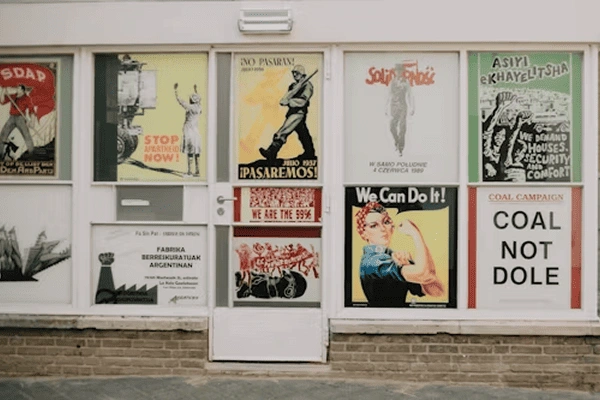
You have all seen multiple advertisements on both online and offline platforms that feature your favourite deals or awareness campaigns about the local social issues on the outskirts of the house. But have you ever noticed the variation in the poster sizes and formats for all these events?
Well, this happens purposefully, as each domain has its own goals and profits to fulfil, and that’s what we are going to read today and understand how different sizes, shapes, and elements create an impact in our minds. Without wasting any more time, let’s dig right into it.
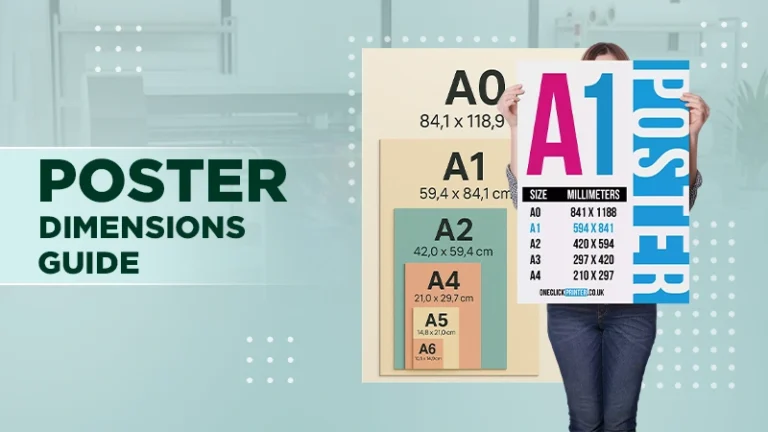
What are the Most Used Poster Sizes?
Commonly, 6 types of poster sizes are generally used today in both offline and online markets. But their usage may vary according to the demands of the audience, reachability, and studies of various psychological patterns. Check out the poster sizes that are in trend.
11 x 17 Format

The 11 x 17 is the most generic poster dimensions and the most widespread form of this category, as it is called a tabloid due to its vertical shape. It is widely used for displaying informative material on the campuses of various institutions, advertisements on shopping marts, lampposts, walls of buildings, etc. Their smaller size makes them portable and easier to print in bulk.
18 x 24 Format
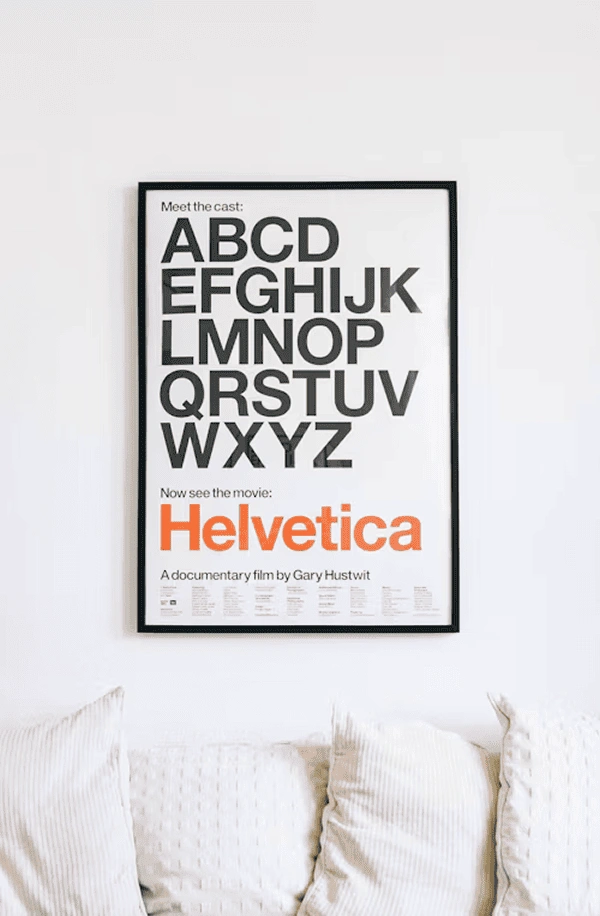
18 x 24 is also a very popular format as it is built on a wide-angle pattern, which makes it ideal for displaying details and creative elements along with necessary information. This poster default size commonly features on lifestyle products like paintings, photo frames, and promotional material for events. The best part about them is they are also portable.
24 x 36 Format

24×36 inches is a standard poster size that we often see in our surroundings; a large number of printing shops and bulletin boards prefer this format, and also due to its robust availability, the masses also use it for their promotional campaigns in public places. Although it can be used for similar purposes like 11 x 17 and 11 x 17, a major chunk of the audience considers this palette ideal for commercial purposes.
27 x 40 Format

27×40 inches is the most popular format because, for ages, it has been used by the US film industry (Hollywood) for promotional material and theatrical movie features to appeal to the masses. The best part is that they can be easily made for audiences as merchandise, which also generates more profits for movies, and distributors can also reach a wider audience in different locations.
8.5 × 11 Format
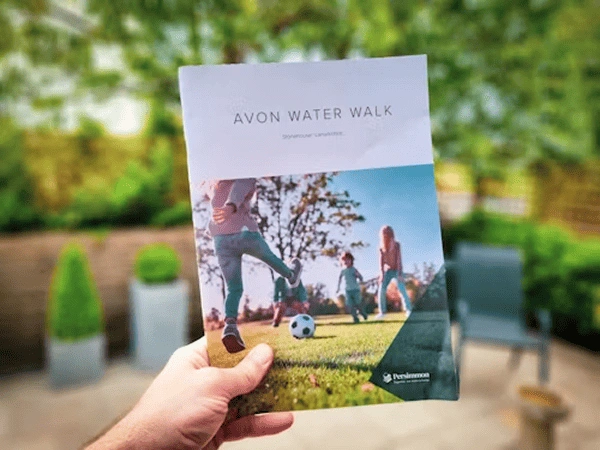
The 8.5 × 11-inch format is the standard US “Letter” paper size, which is majorly used for documentation purposes in legal and welfare institutions due to its concise shape and size. To be more specific, they are used for legal documentation, school assignments or homework, brochures, and survey forms.
40 × 60 Format
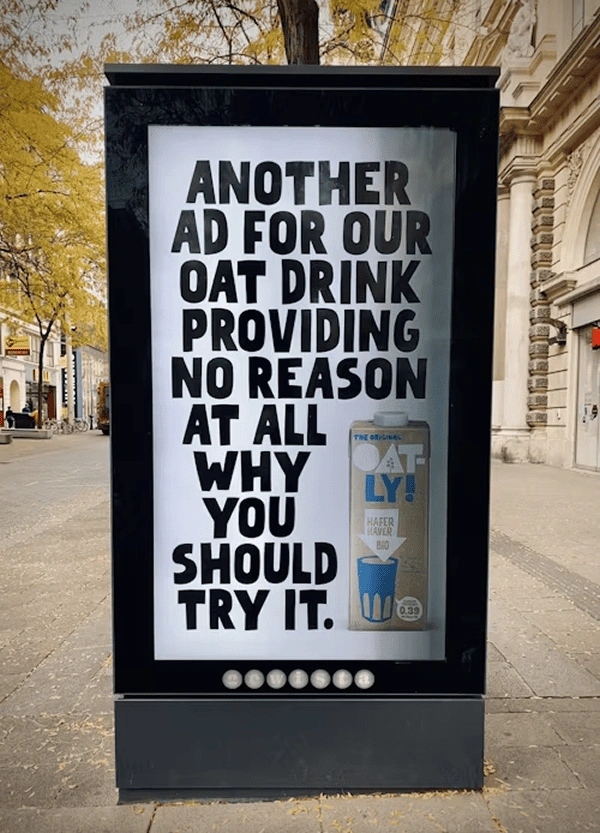
40 × 60 is a very tall format (typically 8–15 feet), which is very eye-catching due to its elongated size. It is generally used for marketing purposes of viral products by established brands and awareness campaigns of serious social issues. Because of its tall appearance its makes the elements easy to identify and improves the readability of the text from a long distance.
Why Are Different Sizes Required for Each Category?

After reading these formats, you might be wondering why these different categories are using different sizes of posters for various purposes. The true answer is that there are so many aspect matters in the background for business promotion or awareness campaigns that make the final decision of the scale and size they are going to be published in, which we are going to learn about here.
Location Metrics
Sizes of posters are selected for marketing or awareness campaigns on the basis of the location they are going to be displayed and how much they intend to be visible. If the purpose is branding of a product, then formats like 40 × 60 are considered ideal. While for basic informational notices endorsed by legal or public bodies, standard poster sizes like 8.5 × 11 are considered.
Campaign Requirements
Another vital factor is the campaign requirement of a specific event for which a poster is being created; if the concern is serious and needs constant attention, then the palette should be long and wide, but if the purpose is to only provide information, then it can be done through a standard format.
Target Audience
Selecting a target audience is very important while finalising a poster size, as for movie promotions, 27 x 40 is considered best for a decade now. E-commerce businesses create beautiful wall arts, photo frames, and artworks on 18 x 24. This clearly shows why diversification is needed in posters to attract different sections of people.
Cost Management
Managing costs is also considered before performing any marketing or awareness activity, as prices of production costs vary due to different sizes, color themes, and personalizations. Also, big-size formats require more paper and big machinery; that’s why their costs are generally high compared to common poster sizes, which are readily printed by local shops.
Which Types of Posters are Most Used Today?

Due to their relevance, there are countless types of categories that exist in the poster division, but in reality, only a few variations are being used by the masses, which are giving awesome responses on awareness programs and improved conversion rates to businesses. You must check out these categories below, which will help you to understand how each of them plays a significant to spark curiosity in the minds of the unknown:
1. Educational Posters
As the name suggests, educational posters are used for providing academic information about subjective, general, and critical domains to students, and they are created mostly to be placed around campus.
Besides providing information, they are also necessary for providing notices, raising awareness, celebrating alumni successes, and many other things that improve student engagement.
Some posters that contain the institution’s daily schedules and disciplinary guidelines are also placed in each classroom to improve the behavioral decorum of students and staff.
2. Political Posters
Political posters are a very vital part of any political campaign as they are influential, portraying numerous problems and their resolution plans at a glance.
Many political posters raised in electoral rallies are used to appeal for votes from citizens, as it states their political experience, merit, and excellence of the standing candidates, which portrays their image of an astonishing leader.
Not only that, these posters are highly influential for criticizing the laws and policies imposed by governing bodies, and they are mostly created by opposition parties or the common electors, making them a great tool for showing resistance.
3. Social Posters
Social posters are also widely used today to give exposure to current affairs, social issues, awareness campaigns, and much more that needs the attention of the masses.
They play a vital role in fighting various social issues like racial discrimination, casteism, sexism, religious partiality, and all the negative practices that are anti-humanitarian.
Also, they are necessary for promoting activism for noble causes and empowering people to perform scrutiny towards the government whenever the rules or regulations are not being followed for the development of society, nation, or state.
Proven Fact
Approximately 62% of researchers and academics consider posters a highly effective medium for knowledge transfer, providing rapid overviews of research data and networking opportunities.
Source:National Library of Medicine
4. Advertising Posters
Advertising posters are something that don’t need much of an introduction, as they are already a very necessary part of our lifestyle. From online sales to the buy 1 get 1 free sale in 7Eleven, they attract both online and offline audiences to stores and significantly boost the business.
They are mainly used for notifying consumers about offers, stock updates, limited-time deals, festive deals, and much more crazy stuff to improve targeted conversion and footfalls. These posters are built in multiple sizes according to the occupancy of stores or the importance of deals so that people can get aware of the deals that they are waiting.
Flipkart’s Big Billion Days and Amazon’s Prime Day Sales posters are the biggest examples of this column in the modern era, as they attract millions of buyers to visit the site for purchasing their wishlisted items at heavy discounts.
5. Corporate Posters
Corporate poster the modified segment in the domain, as it is mostly used by multinational brands to specify their services, products, aims, and credibility in front of their target audience.
They, as such, don’t play a vital role in their businesses, as these companies have larger marketing and affiliate networks, but they are important for establishing the appeal of these companies in offline and online markets.
In fact, big companies like McKinsey showcase their posters featuring their work culture and ecosystem to attract more talented alumni in their team circuit. Ultimately, they improve their word of mouth and keep them relevant among the masses.
6. Movie Posters
We all agree on how amazing movie posters are; they hype up the movies even before the trailer or theatrical release of the films and make the audience curious about the story, color theme, tone, and genre of the movie.
They are an integral part of the film industry as they are used for marketing the movie by featuring popular cast and lead members who are associated with the project.
Posters also widen the reach of the movies, attract audiences to the theatres on release dates and special premieres, where they can get entertained and pay for it, which boosts their box office collection.
Why Posters are Necessary For Brands and Businesses?
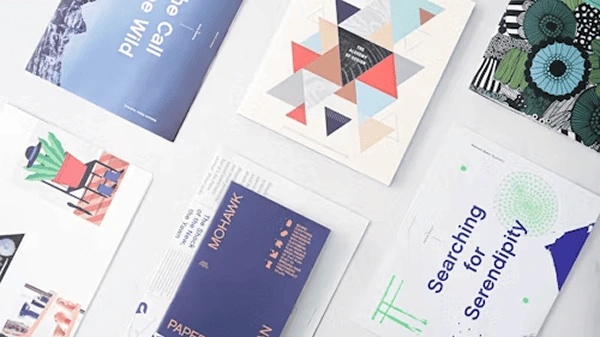
Posters play a pivotal role in overall branding and business models, especially for small businesses, as they are highly scalable and allow more audience to connect with them in less time. They help to provide a glance of all the necessary features and elements along with their USP without spending thousands of dollars monthly in the market. But other than that, they also provide some extensive benefits like.
- Causing First Sight Impression: Posters are generally best for creating a first-sight impression of your brand and comparison due to their presence in places your audience mostly visit and look for things or queries. They catch their attention and make them stop by generating a sense of curiosity.
- Cost Savings: Making and advertising your brand through posters is a very affordable solution if your company is on a grassroots level, and you can print thousands of posters in less than $100 and place them on your targeted pincodes.
- Awareness in Online and Offline Markets: Pamphlets and hoarding-based posters are best for spreading awareness in the markets about distinctive brand identity, aims, and products in local markets. On the other hand, pop-up ad posters published by MetaAds or Google Ads are heavily used in online markets today for generating sales.
- Call to Action and Offers: Online posters have very straightforward call-to-action buttons that can direct the audience to your desired places like your store or affiliate pages, which will help you to generate real profits and build a strong user base when they upload their credentials on your landing pages.
Interesting Sights
The optimal layout for a research poster is generally 40% title/text, 30% white space, and 30% graphics to prevent visual clutter.
Source:Guide to Effective Poster Design by Argonne National Laboratory
What Makes Posters More Attractive? Tips You Should Not Miss
Although countless metrics make a poster attractive and eye catchy but mostly there are only a few aesthetic patterns that designers keep in mind while curating a poster to make it visually appealing for the masses, and they don’t integrate any complexities. They simply focus on factors like:
- Image Selection: Addition of influential and attractive images in the center of their posters to gain sudden audience attention through familiarity or aesthetics. This is mainly used for gaining engagement in marketing campaigns. For example, in fashion brand advertisements, their supermodels are placed in the center with their clothes.
- Credible Information: The presence of accurate and verified information should always give a poster an upper hand among the static ones and improve a sense of authority for your brand or campaign among the masses.
- Simple Design Language: In many cases, it has been seen that simple design language can give a pleasant outlook to the general audience as it contains sharp borders, clean spaces, combinations of colors which are not mismatched or abrupt, which automatically improves the attractiveness of posters.
- Clear Speech: A single spelling mistake can ruin the entire design or formation of a poster, as people will make a strong perception that the advertiser or conveyor is not serious about the integrity of their campaign or brand. So never make such mistakes, as it might seem tiny but can cause a lot of damage. Always check the information and grammatical elements thoroughly.
- Color Psychology and Layout: There are so many color patterns and layout designs that can neurologically interact with your audience as they remind them of something they have seen before or give them the vibes of what they generally. Understanding this core element and implementing it on a poster genuinely brings profitable traffic without any ex
Conclusion
Undoubtedly, after seeing all these examples above, we can say that posters are highly reliable for pleasing the audience and driving traffic to both your online and offline stores. Posters are highly cost-effective; thus, they allow small brands to establish their presence among the masses.
Even in today’s modern generation, people still love the essence of good quality posters as they build a sense of credibility, awareness, and brand identity. Countless studies and business models have proven that they are and will be an integral part of our ecosystem. If you want to explore more such topics, then do not forget to check out Pixifyo.
FAQs
Q1: What are standard poster sizes?
Well, the standard poster sizes are segmented into three different groups: Small/Medium (used in pamphlets and headline boards), Large (for promotional material in shopping marts), and ISO/A-Series (the generic paper-based size).
Q2: Is poster size A3 or A2?
Both A3 and A2 are poster sizes; it just depends on the purpose they are being used for and how designers want to create their posters. A2 sizes are ideal for home decor and photo frames, while A3 is best for business hoardings and advertisements.
Q3: How big is a 12×8 poster?
The actual size of a 12×8 poster is 30.48 × 20.32 cm. It matches the standard European A4 paper dimensions and is suitable for photos, artworks, and professional certificates.